
Since its peak, the S&P BSE Sensex has dropped nearly 3,000 points.

State owned banks SBI and PNB were the top Nifty gainers along with ICICI Bank and auto shares.

Once these banks start showing losses, they will not be able to pay dividends to the government nor pay taxes, which will further aggravate the situation for the government as its return on investment as an investor would be very negligible for the next few years, says M V Subramanian.
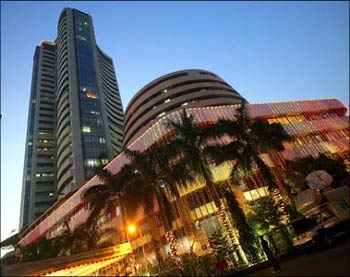
'There is no change in the overall story of economic recovery.'

On the last day of FY!5, the Sensex ended lower by 18.37 points at 27,957.49.
The rupee tumbled past 63.00 to the dollar, down about 2 per cent on the day and breaching the previous low of 62.03 hit on Friday despite a spate of measures in recent weeks by the central bank and government to defend it.

Sectoral performance was mixed with media and PSU banking stocks attracting buyer interest and healthcare, FMCG and metal stocks bearing the brunt of the bears

The market breadth ended weak on the BSE with 2,086 shares declining and 893 shares advancing.

Sensex closed over 118 points down on Thursday.

The India Meteorological Department on Tuesday said the monsoon this year is expected to be 'above normal.'

'By not letting bankrupt banks fail, we have discouraged ordinary folk from taking precautions while choosing their bank or at least when they hear bad news about their bank,'says S Muralidharan, former MD, BNP Paribas.

A customer wanting to buy a car would have to wait a long time for delivery.

The cutback on export credit refinance facility is another step towards a shift away from sector-specific liquidity allocations.

A glance back at some of the important ups and down Indian Inc faced in 2018.

Budget in the medium term aims to kick-start the investment cycle.

In India post the success of masala and green bonds on the LSE, Nikhil Rathi tells Rajesh Bhayani that there are many international investors interested in buying into the India story
